Morton’s Neuroma Explained by a Podiatrist (2026 Edition)
What It Is, Why It Happens, and the Treatments That Actually Help
by Dr. Tom Lembo | 6 min read
This article was written by a podiatrist and the creator of Samurai Insoles, a product developed control foot overpronation. While we make Samurai Insoles, this article reflects our professional medical experience and review of Morton's neuroma support.
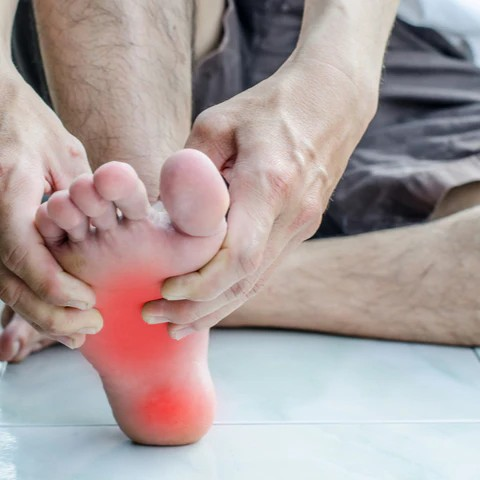
What Morton’s Neuroma Actually Is
Morton’s neuroma sounds scary, but the name makes it seem more dramatic than it usually is. It is not a tumor and it is not dangerous.
A neuroma is simply a thickened, irritated nerve in the ball of the foot, usually between the third and fourth toes. This nerve becomes compressed and inflamed, which leads to:
-
burning pain in the forefoot
-
tingling or numbness in the toes
-
a pebble or “bunched sock” sensation
-
sharp, electric pains that come and go
-
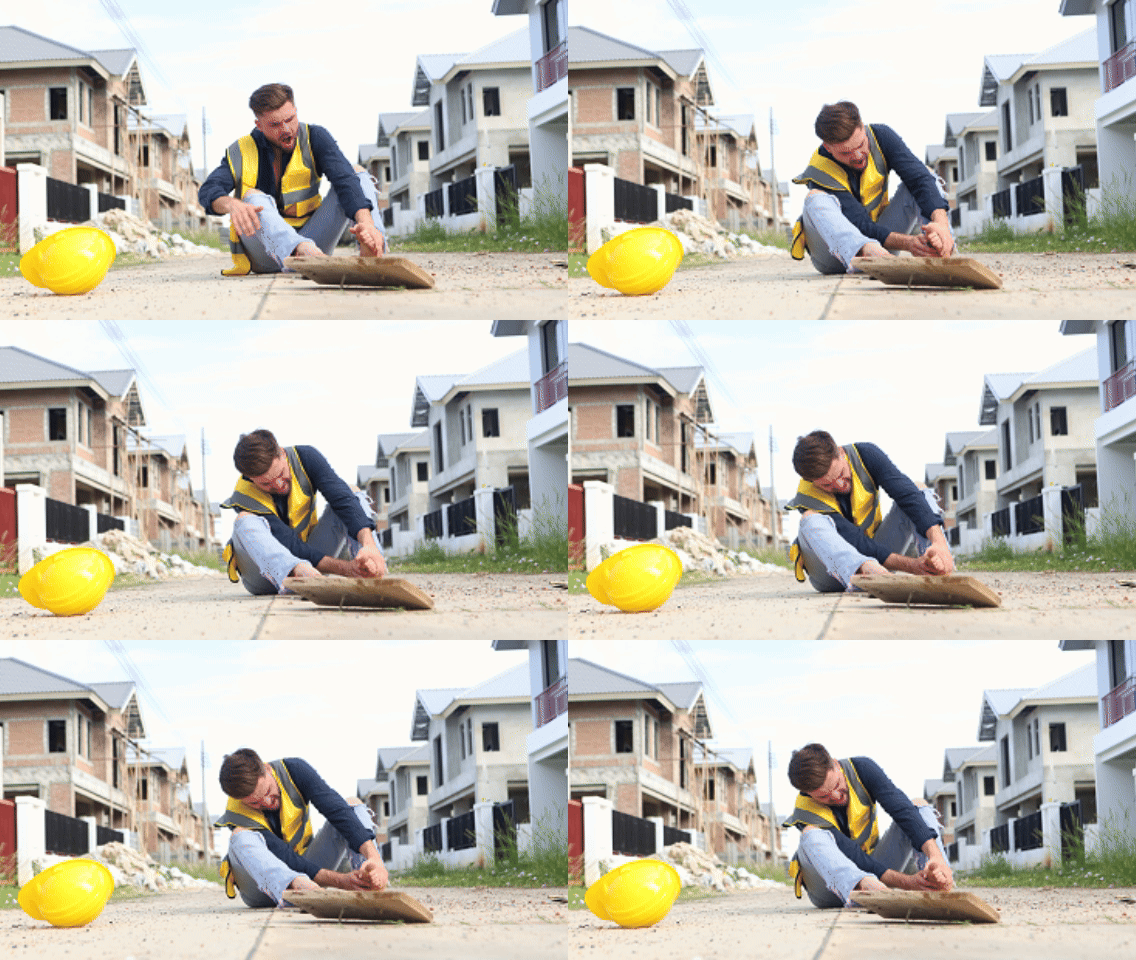
pain made worse by tight shoes or long periods on your feet
The symptoms can be annoying, painful, or even debilitating when they flare.
The good news is that neuroma pain can usually be improved without surgery once you understand what is causing the irritation. (The video below shows a second interspace intermetatarsal neuroma. A Morton's neuroma is a third interspace intermetatarsal neuroma, or an enlargement of the nerve adjacent to the one depicted here.)
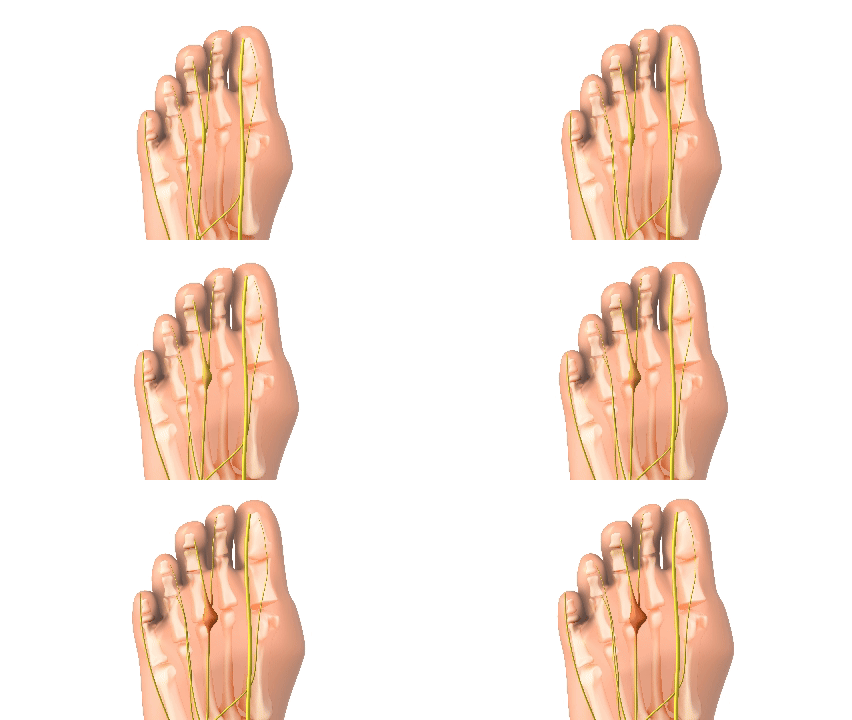
Why Your Neuroma Hurts
The nerve that runs between the metatarsal heads gets pinched when there is excess pressure in the forefoot, usually from a combination of:
-
tight or narrow footwear
-
high heels
-
repetitive impact
-
thinning of the natural fat pad over time
-
forefoot overload caused by overpronation
When this pressure becomes repetitive, the nerve responds by thickening, which makes it even more sensitive. That is why your symptoms often worsen over time if not addressed.
But lack of cushioning is not the main cause.
The real driver is mechanics.
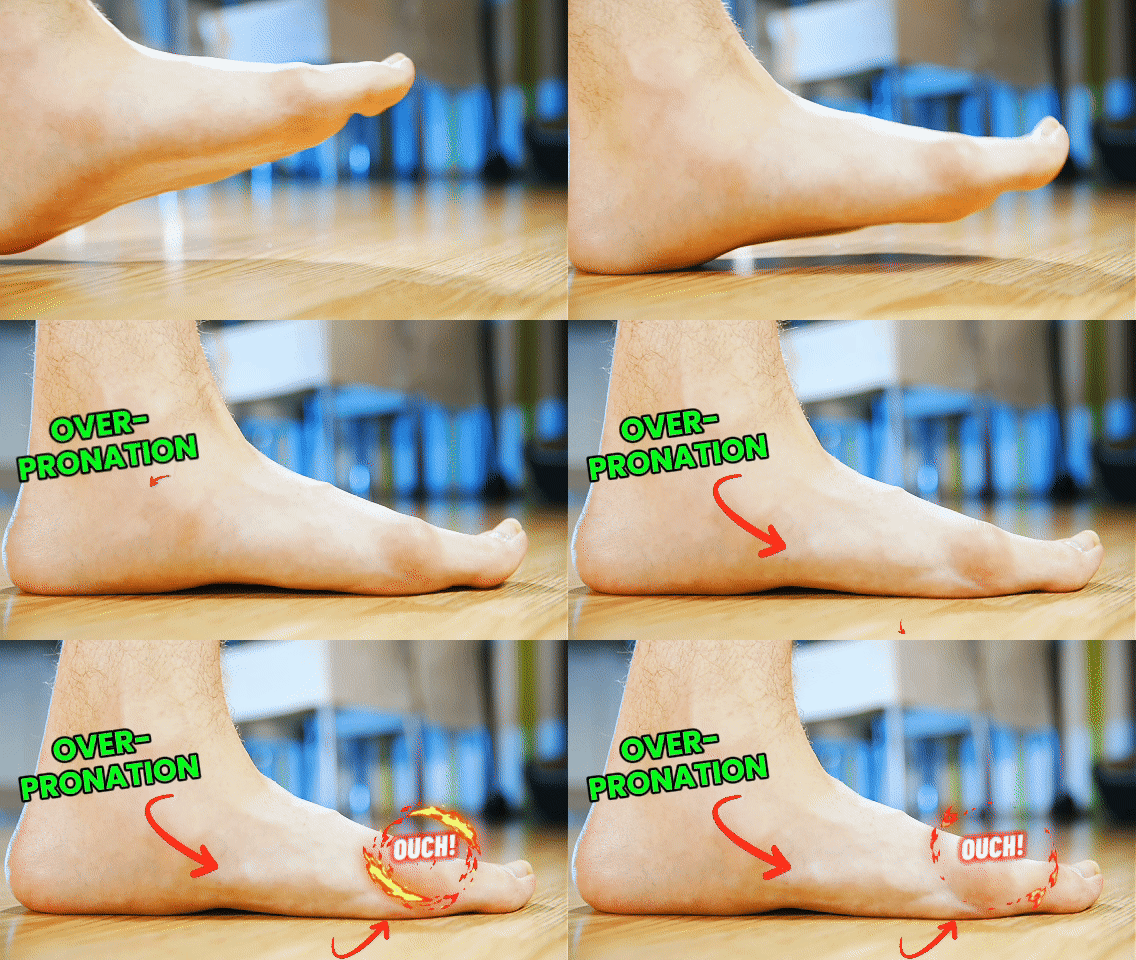
The Real Cause Behind Morton’s Neuroma
Most cases come down to one issue:
Overpronation increases pressure on the ball of the foot.
When your arch collapses too much during walking or standing, the front of your foot is forced to absorb more load. This extra pressure compresses the nerve between the metatarsal bones.
Over time, the nerve becomes inflamed and irritated, creating the classic neuroma symptoms.
This is why neuromas often get worse when:
-
walking barefoot
-
wearing flexible or unsupportive shoes
-
standing for long periods
-
going uphill
-
wearing shoes with a tight toe box
Reducing forefoot pressure and supporting the arch are the keys to long term relief.
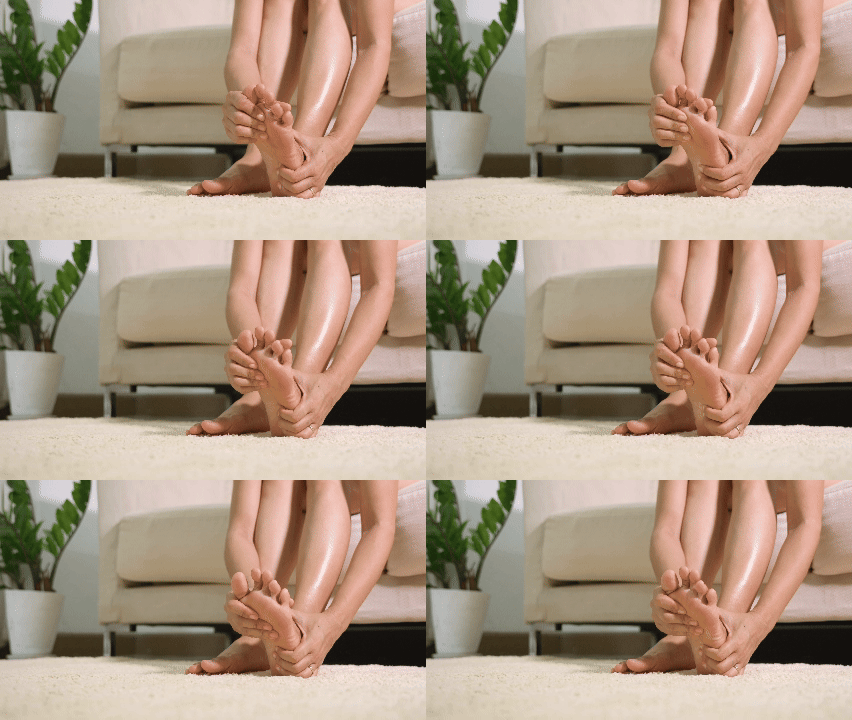
What Helps Morton’s Neuroma
1. Support the arch!
This is the biggest factor most people miss. When the arch collapses, the forefoot spreads and compresses the nerve. Supporting the arch helps unload the front of the foot and reduce mechanical irritation.
2. Reduce forefoot compression
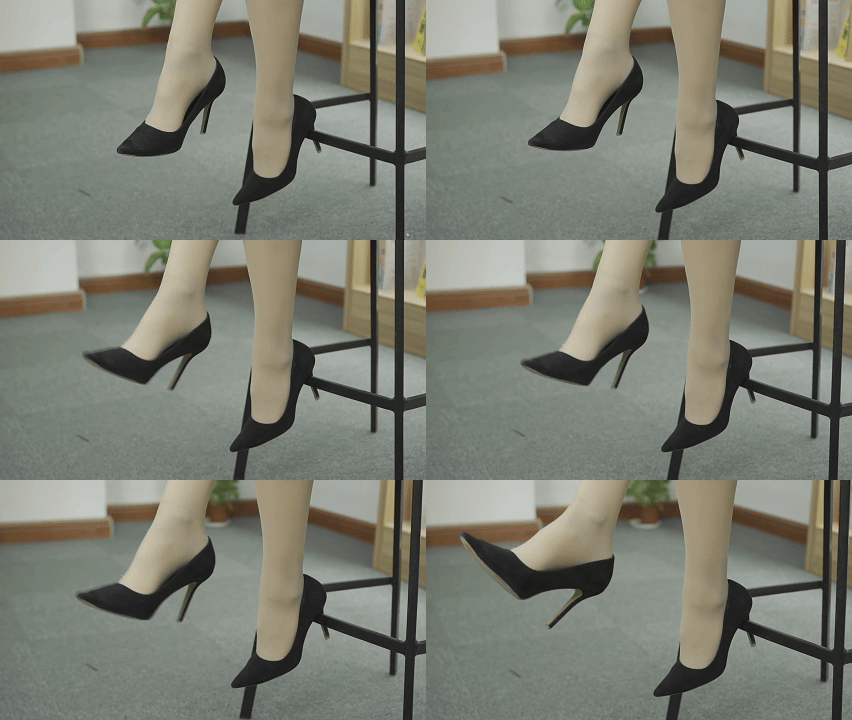
Choose footwear with a wider toe box, soft forefoot, and lower heel height. Avoid narrow or pointed shoes.
3. Calm the nerve
Ice massage, gentle forefoot stretching, and anti inflammatory strategies (if approved by your doctor) help reduce nerve sensitivity.
4. Avoid barefoot walking
Hard floors add extra pressure to the ball of the foot and worsen symptoms.
Treatments That Usually Don’t Fix the Issue
Many people focus only on cushioning or toe spreading devices. These may feel good temporarily but rarely provide lasting relief if arch mechanics are not addressed.
What often falls short:
-
soft gel pads
-
random foot massages
-
rotating shoes without adding support
-
minimalist or barefoot footwear
-
focusing only on the nerve and not the pressure that irritates it
Cushioning helps, but only after the underlying strain is reduced.
⭐ Picking the Right Shoe Insert for Morton's Neuroma
If I could recommend only one change for new neuroma patients, it would be this:
Support the arch to reduce forefoot pressure.
Supporting the arch does three important things:
-
spreads the metatarsal heads
-
reduces the squeezing effect on the nerve
-
decreases irritation during every step
When the nerve is no longer being compressed, the inflammation has a chance to calm down.
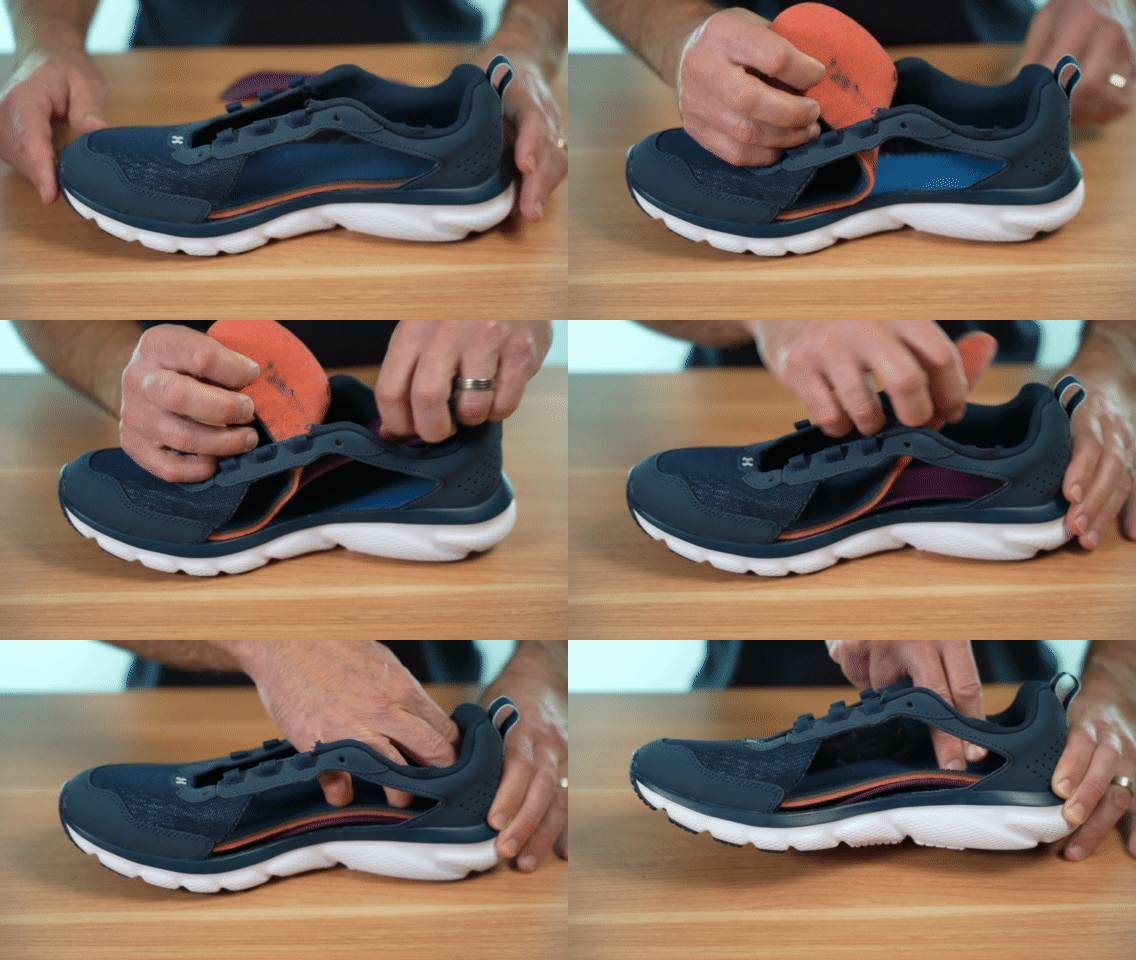
This is why structured orthotic inserts are consistently effective for neuromas.
Our Top 5 Morton's Neuroma Shoe Inserts for 2026
🏆Our 2026 Top Pick🏆
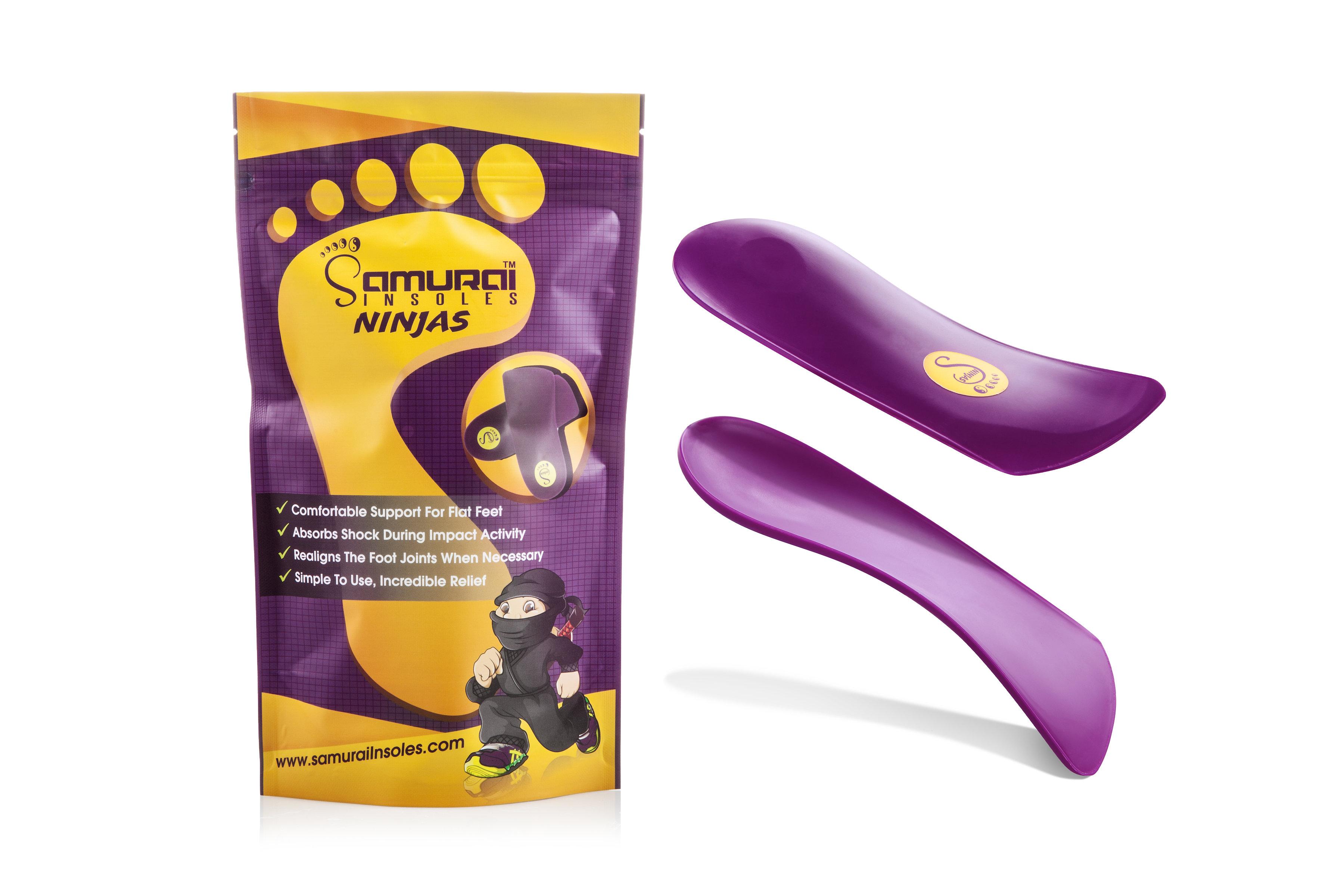
#1- Samurai Insoles Ninjas ⭐⭐⭐⭐⭐
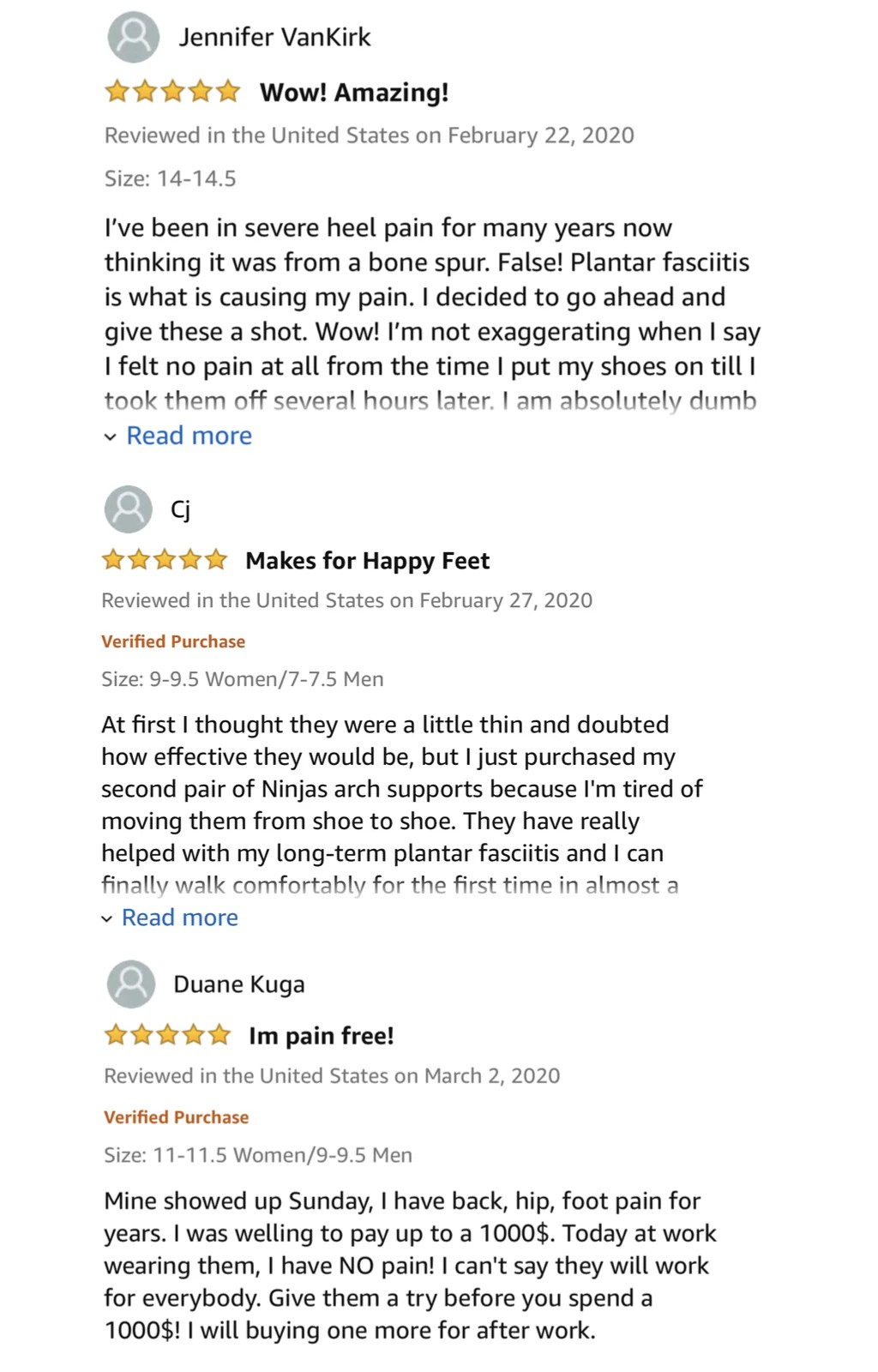
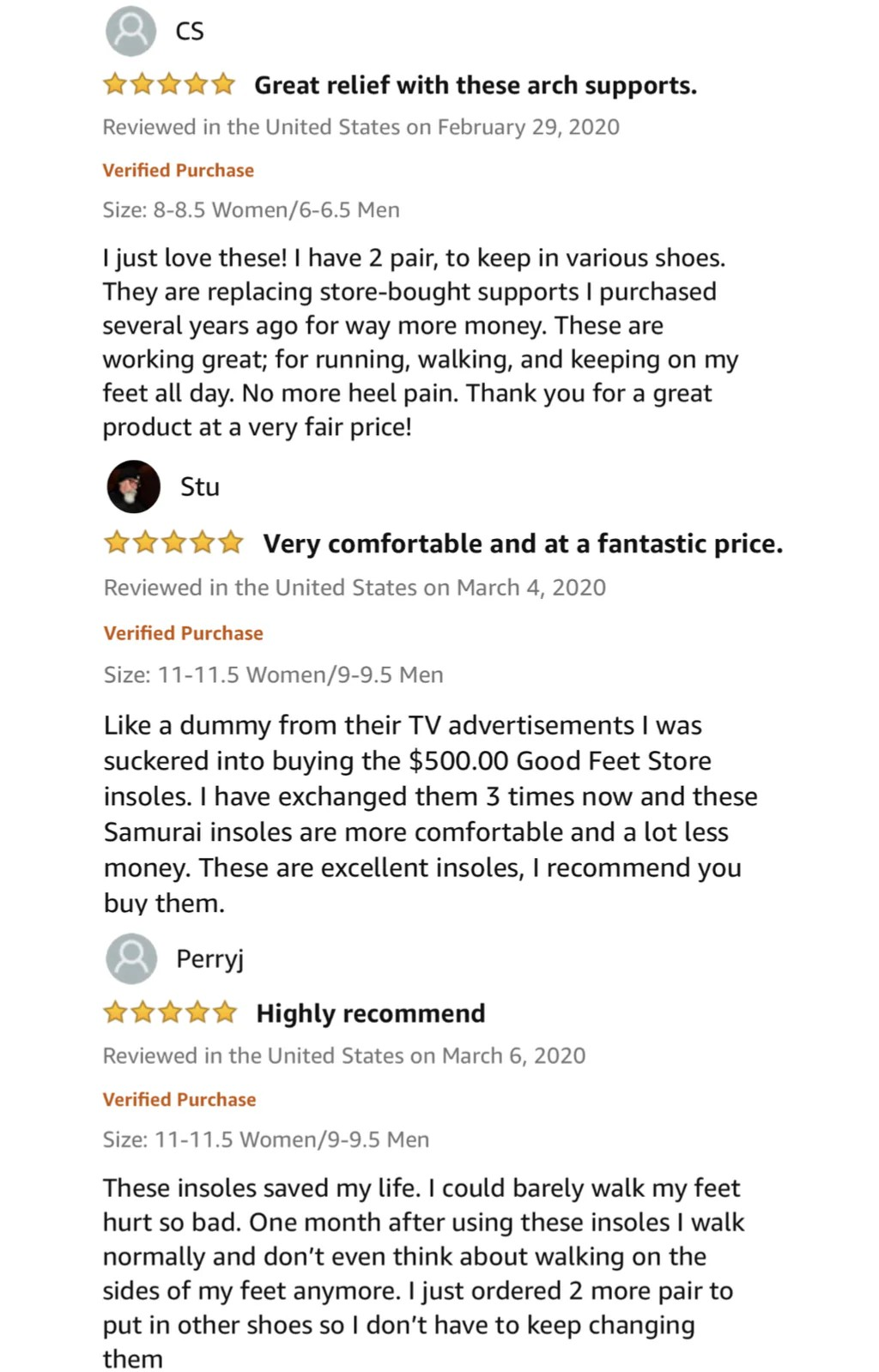
Podiatrist designed and made by an orthotic lab in the United States, Ninjas are one of the few Morton's Neuroma inserts that combine true orthotic structure with everyday comfort.
Instead of relying on soft foam or gel, Ninjas comfortably support your arch and stabilize your heel. The result? You move naturally again - without the forefoot compression and pain that comes from overpronation.
I originally designed Samurai Insoles Ninjas after years of treating patients with Morton's Neuroma who couldn’t find inserts that actually alleviated the problem. Most insoles felt soft but didn’t support the arch properly, so I built one that did.
Why we recommend them:
✔️ Support that actually treats the cause, not just the symptoms
✔️ Comfortable enough for daily wear in most shoes
✔️ Durable construction — nothing to compress or wear out
✔️ 60-day comfort guarantee + 1-year warranty
✔️ Made in the USA by a professional orthotic lab
✔️ Price: Less than $40 - fraction of the cost of custom orthotics or many competing alternatives
Verdict: Real correction, real comfort, real results.
#2- Protalus Insoles T-100 Elite
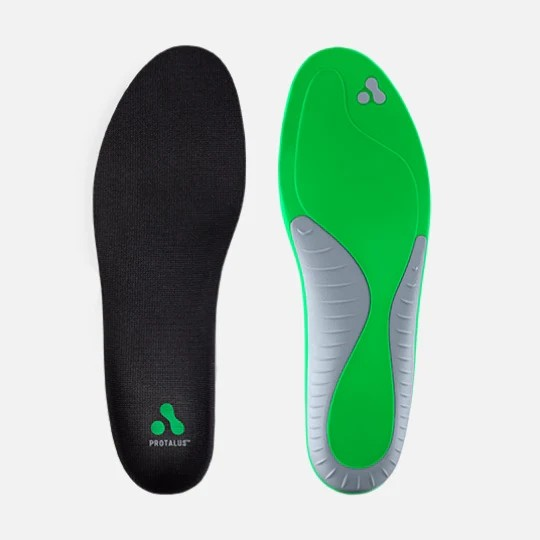
You’ve probably seen Protalus all over social media. They’ve become popular for their thick, supportive feel - and they do help some people with flat feet or mild overpronation.
That said, they’re bulkier and pricier than most everyday users need.
Highlights:
-
Some users find them bulky with less than adequate support
-
Hybrid design with a firm plastic base
-
May work well for wider or bulky shoes or heavy daily wear
-
Price: ~$64.95
-
90-day warranty
-
Made overseas
Verdict: Supportive and stylish, but at nearly double the price, they’re a splurge for most.
#3- Superfeet Green Insoles
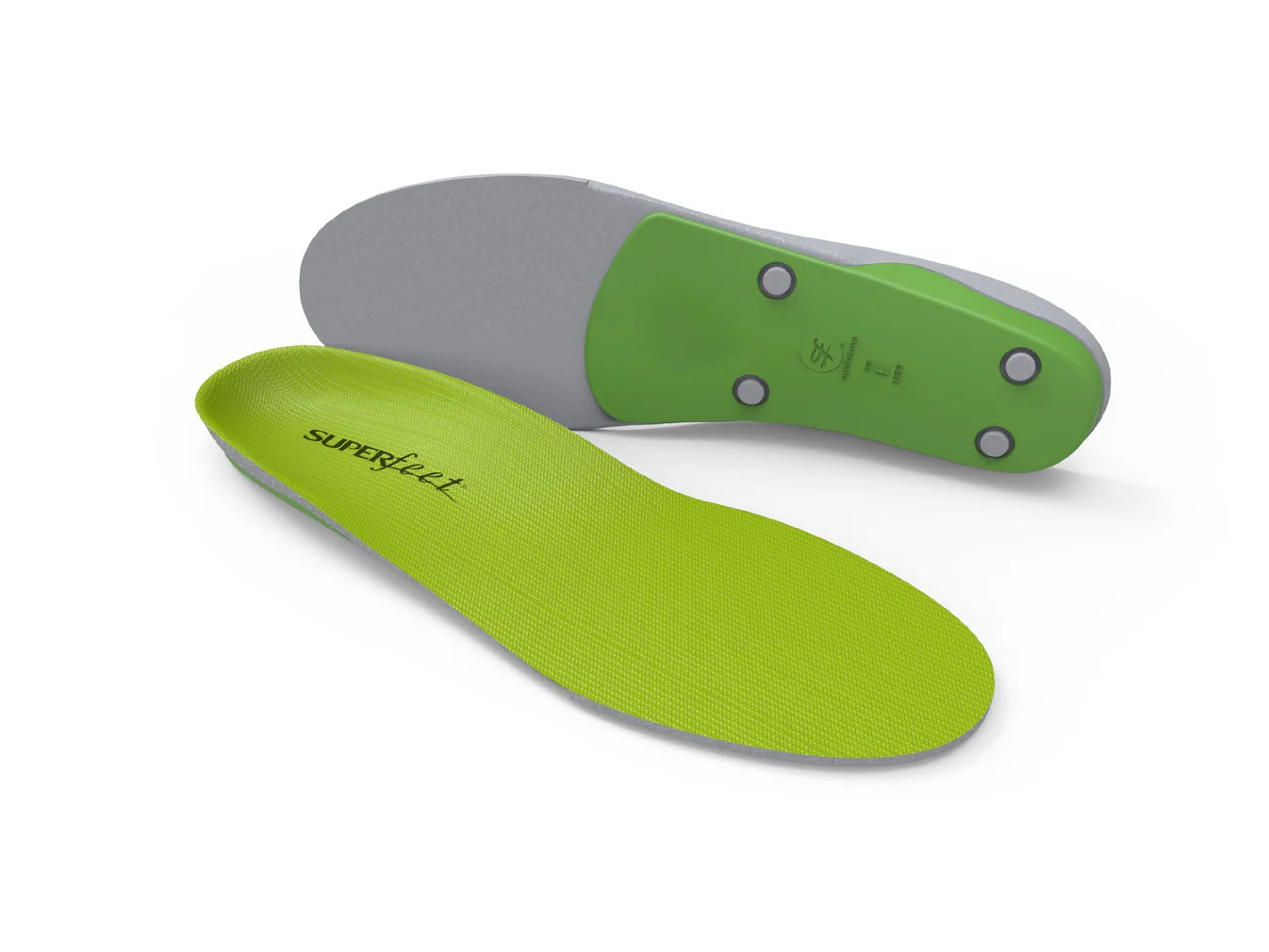
A classic name in insoles - Superfeet helped pioneer modern arch support. Their Green model is firm, stable, and built to last.
However, the extremely rigid outer shell can make them feel much too stiff for casual wear, and they’re bulkier than most options here.
Highlights:
-
Strong, structured support, but often too stiff for many users.
-
Reliable for athletic and work shoes
-
Price: ~$54.95
-
60-day warranty
-
Made outside the USA
Verdict: Proven performance, but less comfortable for all-day wear.
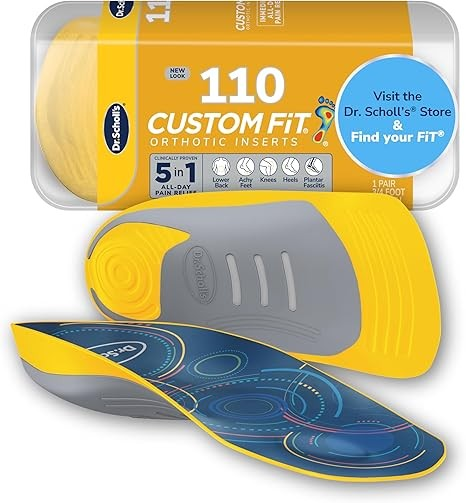
#4- Dr. Scholl's Custom Fit Orthotic Inserts
The “Custom Fit” line from Dr. Scholl’s sounds impressive, but the name oversells it a bit. These are comfortable enough, but they rely on a plastic bottom layer that flexes WAY too much (in our opinion). Also, because they sit on top of your shoe’s insole, they can feel bulky or unstable.
Some listings note they’re not returnable once opened, so check the seller’s current policy before you buy.
Highlights:
-
Widely available in stores, but potentially terrible return policy on Amazon
-
Shorter length may take getting used to and can lead to instability and shifting.
-
Price: ~$50.00
-
90-day warranty
-
Made outside the USA
Verdict: Convenient and easy to find, but limited support and return options for the price.
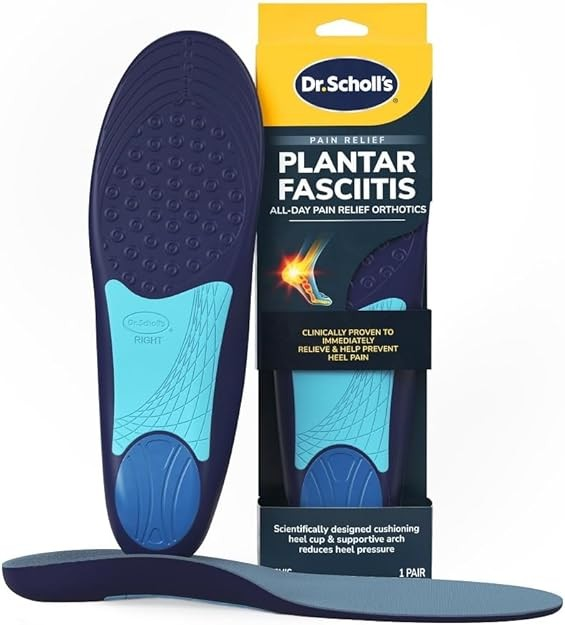
#5- Dr. Scholl's Plantar Fasciitis Orthotics
The most affordable insert on this list, and probably the one you’ve seen at every drugstore.
They’re light and cushiony, but that’s about where the benefits stop.
Highlights:
-
Good short-term comfort, extremely poor long-term support for many
-
Price: ~$15.00
-
Thin design fits most shoes easily
-
90-day warranty
-
Made outside the USA
Verdict: Budget-friendly but ultimately may not have adequate support to relieve or prevent plantar fasciitis for some users.
Final Takeaway
If you’re serious about getting relieving Morton's Neuroma, don’t settle for an insert that only feels soft — look for one that supports proper motion.
Samurai Insoles Ninjas combine medical-grade structure, everyday comfort, and real affordability. They’re built to relieve pain today and prevent it from coming back tomorrow.

“I’ve treated thousands of cases of Morton's Neuroma that came back again and again until we addressed the real cause – overpronation. Once the arch is supported correctly, the fascia can finally heal.”
Best,
Dr. Tom Lembo
Samurai Insoles are branded products made by our company, Samurai Wellness, LLC, and we truly believe that our products are the best on the market! This article is a promotion of the Samurai Insoles branded products that we sell. It is important to know that our products are not intended to diagnose, treat, cure, or prevent any disease.